Last updated: June 2026
Best English YouTube Channels by Level and Accent
How we pick creators for CI Method English and where to browse American, British, and Australian input.
What makes a channel good for learners
A great channel for comprehensible input is not the slickest or most famous one — it is the one you can actually understand at your level. The best creators speak at a steady pace, use visuals, gestures, and context to carry meaning, and stay on topics you find genuinely interesting. Clear audio and natural but unhurried delivery matter more than production budget. When we select creators for the library, we weigh exactly these traits: comprehensibility at a given CEFR band, consistency of level across their videos, and whether a learner can binge them without getting lost.
Start with one voice
A common beginner mistake is collecting dozens of channels and jumping between them every day. That keeps you in a constant state of adjustment, because every new voice, accent, and speaking style costs your ear effort. Instead, pick one creator at your CEFR level and stay with them for five to ten lessons before switching. As you adapt to their voice and recurring vocabulary, each video gets easier than the last, and that growing ease is itself a sign of progress. Channel-hopping feels productive but spreads you thin; depth with one creator builds real comprehension faster.
Move the slider: how much of a video at this level do you understand?
Use accent hubs
Accents are one of the biggest hidden difficulties in listening, because the same word can sound very different in American, British, and Australian English. The fix is not to avoid accents but to be deliberate about them. Early on, pick one accent — usually the one closest to your goals — and stay with it long enough that it stops feeling foreign. The American, British, and Australian hubs filter the whole catalog down to a single accent so you can do exactly that. Later, once one accent feels comfortable, rotate in the others; your ear becomes flexible only by meeting variety after it has a stable base.
Match the channel to your level
The most famous English-teaching channels are often pitched at intermediate or advanced learners, which is why beginners who start there feel discouraged. The trick is to match the channel to where you actually are. If you are at A1 or A2, seek out superbeginner creators who narrate slowly over clear visuals; at B1 or B2, move to storytellers and natural conversation; at C1, real native podcasts and shows become your material. On this site the level pages and placement quiz do this matching for you, so you spend your time watching rather than hunting for the right channel.
Try comprehensible input now
Real lessons at this level from our free library — pick one and watch.
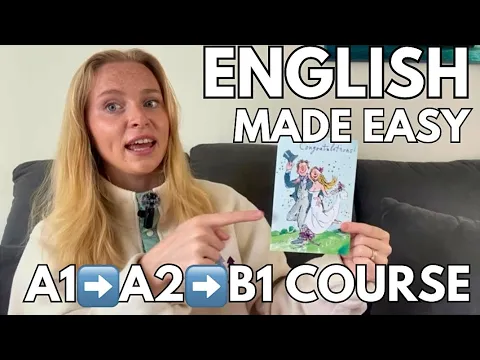



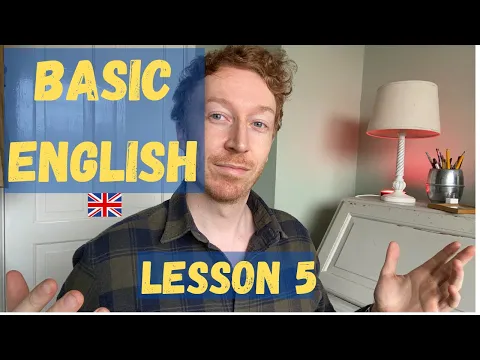
Teacher directory
The teachers index brings every creator in the library into one place, ranked by lesson count and shown with avatars so you can recognize voices you already enjoy. Each creator has their own page with level and topic subpages, which act as ready-made queues: open a teacher you like at your level and you have hours of consistent, comprehensible input lined up without further searching. This is the fastest way to turn "I found a good channel" into a sustained habit, because the next ten videos are always one click away rather than buried in an algorithm.
Browse channels now
Stop reading about channels and go meet one. Open the teachers directory or an accent hub, find a creator at your level, and watch a single video today. If you are not sure of your level, take the quick placement quiz first so your first pick lands in the comprehensible zone. Then do the simple thing that actually works: stick with that one creator for a week, let your ear settle into their voice, and only branch out once they feel easy. The right channel is the one you will keep coming back to — find it, then let consistency do the rest.
How much everyday English speech can you follow?
Can you watch a show with English subtitles?
How comfortable is a real conversation?
Suggested starting level:
Do I need to understand every word?
No. If you follow the overall meaning — roughly 70–90% — the video is working. Missing some words is normal and your brain fills the gaps from context.
How long until I can speak?
Speaking emerges naturally once you have enough input — often after a silent period of months. Forcing speech too early mostly produces translation and stress. Let understanding lead.
Should I use subtitles?
Use English subtitles as a bridge, then rewatch without them. Avoid subtitles in your own language — they let your brain skip the listening and slow acquisition.
How much should I watch per day?
Consistency beats marathons. Even 15–30 focused minutes daily adds up to 90–180 hours a year — enough to cross a CEFR level. A habit you keep beats an ambitious plan you drop.