Last updated: June 2026
Learn English with YouTube: A Structured Approach
Why unstructured YouTube browsing stalls progress, how to turn YouTube into a CI curriculum, and how CI Method English curates and organizes the best English channels by level.
Why YouTube is perfect — and dangerous
YouTube is arguably the best free resource ever created for comprehensible input: millions of hours of real English, every accent, every topic, every level, all free. But that abundance is also its trap. With no structure, learners drift between videos that are far too hard and ones that are far too easy, never spending enough time in the comprehensible zone where acquisition actually happens. The platform was built to maximize watch time, not your English. The good news is that with a deliberate system you can turn this endless library into a structured curriculum — and that is exactly what the rest of this guide sets up.
The algorithm problem
YouTube's recommendation algorithm optimizes for one thing: keeping you watching. That is not the same as helping you acquire a language, and often the two pull in opposite directions. The algorithm will happily serve you videos that are engaging but too fast, too idiomatic, or too topic-specific for your current level, because shocking or addictive content holds attention. It also nudges you toward your native language and toward whatever is trending, not toward steady level-appropriate input. Left to the recommendations alone, you end up entertained but not progressing — busy watching English without ever sitting in the comprehensible zone long enough to grow.
Move the slider: how much of a video at this level do you understand?
Build a deliberate playlist system
The fix is to stop relying on recommendations and curate your own queue. Use this site to find your level, then bookmark twenty to thirty videos from that level hub into a playlist before you start watching. Work through them in order rather than chasing whatever the sidebar dangles next. Sticking with one creator or one topic for a couple of weeks beats random discovery every time, because familiarity with a voice and recurring vocabulary makes each video easier than the last. A prepared playlist also removes the daily friction of deciding what to watch — the next video is always ready, so you spend your minutes learning instead of browsing.
Tame the platform itself
A few settings make YouTube work for you instead of against you. Turn on subtitles in English (not your native language) so you can lean on them when a video runs ahead of you, then challenge yourself to rewatch without them. Use the playback-speed control: slowing a fast native video to 0.75x can pull it back into your comprehensible zone, while speeding up easy content keeps it challenging. Create a separate account or playlists used only for English so your recommendations slowly retrain toward learner-friendly creators. Small platform tweaks compound, gradually turning a distraction machine into a focused study tool.
Try comprehensible input now
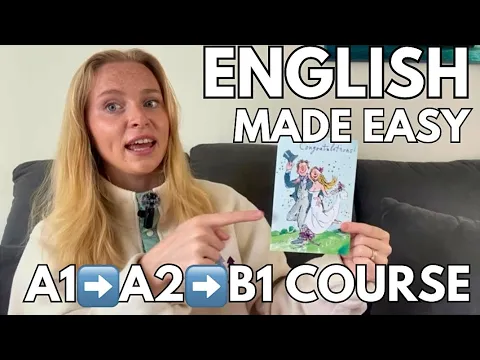
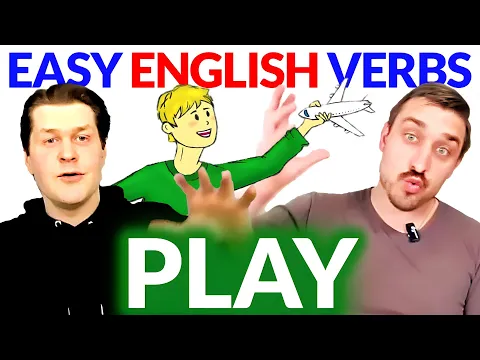
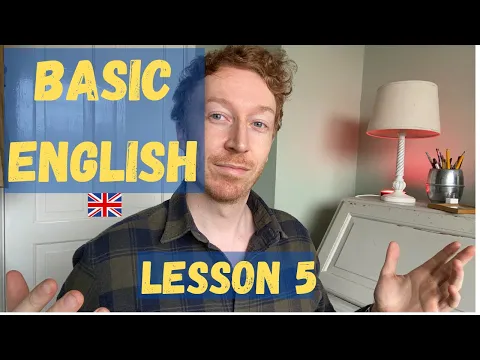
Real lessons at this level from our free library — pick one and watch.


Level up your playlist over time
A playlist that never changes eventually stops stretching you. Every thirty to forty hours of input, revisit the placement quiz or simply sample the next level hub. If videos there feel around 70% comprehensible without rewinding, it is time to move your playlist up a notch. The reverse is also worth watching: if your current list starts feeling effortless and you understand nearly everything, that is the signal to climb, not to coast. Staying at one level too long slows growth almost as much as jumping too high does. The aim is to keep the playlist gently ahead of you, always in the i+1 zone where real progress lives.
Set up your first playlist today
Turn this into action before you close the tab. Take the placement quiz to pin down your level, open the matching level hub or the teachers directory, and queue up your first twenty videos right now. Watch one today, then return tomorrow and work down the list in order. Resist the pull of the recommendation sidebar — your curated queue is the whole point. Once the structure is in place, YouTube stops being a slot machine and becomes the richest free English course you have ever had. The library and guided paths on this site do most of the curation for you, so the only thing left is to press play.
How much everyday English speech can you follow?
Can you watch a show with English subtitles?
How comfortable is a real conversation?
Suggested starting level:
Do I need to understand every word?
No. If you follow the overall meaning — roughly 70–90% — the video is working. Missing some words is normal and your brain fills the gaps from context.
How long until I can speak?
Speaking emerges naturally once you have enough input — often after a silent period of months. Forcing speech too early mostly produces translation and stress. Let understanding lead.
Should I use subtitles?
Use English subtitles as a bridge, then rewatch without them. Avoid subtitles in your own language — they let your brain skip the listening and slow acquisition.
How much should I watch per day?
Consistency beats marathons. Even 15–30 focused minutes daily adds up to 90–180 hours a year — enough to cross a CEFR level. A habit you keep beats an ambitious plan you drop.