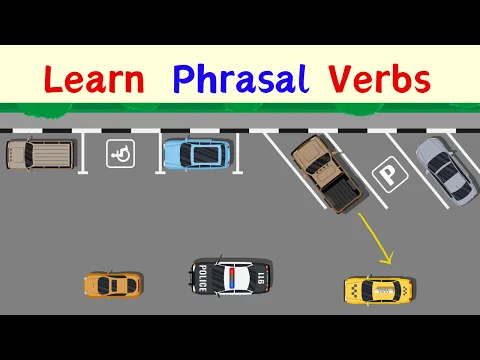
Verbos frasales en inglés: 48 expresiones imprescindibles por tema
Los verbos frasales son combinaciones de verbo + partícula con un significado que no puedes predecir palabra por palabra. Están en todas partes en el inglés natural. Usa el buscador o filtra por tema para explorar los 48.
48 items · 6 topics
"move on"
stop dwelling on something and progress to something new
"It was a tough breakup, but she's finally managed to move on."
"go back"
return to a place, time, or previous state
"I'd love to go back to Italy someday — the food was incredible."
"turn around"
rotate to face the other direction; or reverse a bad situation
"The new CEO managed to turn the company around in just two years."
"head off"
leave or depart, often at the start of a journey
"We're heading off at 6 a.m. to beat the traffic."
"come back"
return to a place or a previous condition
"He came back from holiday completely refreshed and full of energy."
"pass by"
go past a place or person without stopping
"I pass by the bakery every morning, which makes dieting very difficult."
"drive off"
leave in a vehicle; also to repel someone
"She waved goodbye, got in the car, and drove off down the road."
"set off"
begin a journey; or cause something to start (e.g. an alarm)
"We set off at dawn to reach the summit before noon."
"carry out"
perform or complete a task or plan
"The engineers carried out a full safety inspection of the bridge."
"take on"
accept new work, responsibility, or an employee
"She took on three new clients last month and is already overwhelmed."
"follow up"
check on progress or pursue something further after an initial action
"I sent the proposal last week — I should follow up with them today."
"come up with"
produce an idea, plan, or solution
"The marketing team came up with a brilliant concept for the campaign."
"put off"
delay or postpone something; or make someone lose interest
"Stop putting off the report — the deadline is tomorrow morning."
"hand in"
submit work or a document to someone in authority
"Please hand in your expense reports by the end of the week."
"sort out"
solve a problem or organise something
"Can you sort out the printer issue before the client presentation?"
"wrap up"
finish or conclude something, especially a meeting or project
"Let's wrap up the meeting — we've covered everything on the agenda."
"get along (with)"
have a friendly, harmonious relationship with someone
"I really get along with my new flatmate — we have the same sense of humour."
"catch up (with)"
talk with someone you have not seen recently to share news
"Let's grab a coffee and catch up — it's been months!"
"fall out (with)"
have an argument and stop being on good terms with someone
"They fell out over a misunderstanding and haven't spoken since."
"make up"
reconcile after a quarrel or argument
"They argued badly but made up the next morning over breakfast."
"reach out (to)"
contact someone, especially to offer help or ask for support
"Don't hesitate to reach out to me if you ever need advice."
"open up"
become willing to share feelings, thoughts, or secrets
"It took years before he felt comfortable enough to open up about his past."
"talk over"
discuss something thoroughly with someone
"We need to talk this decision over before we commit to anything."
"cut off"
interrupt someone speaking; or stop contact with someone completely
"She cut off her toxic friend after years of one-sided support."
"cheer up"
become or cause someone to feel happier and more positive
"She bought him flowers to cheer him up after a difficult week."
"calm down"
become less angry, upset, or excited; or help someone do so
"Take a deep breath and calm down — we can solve this together."
"freak out"
become very scared, anxious, or overwhelmed; lose control emotionally
"He completely freaked out when he saw the spider on the ceiling."
"bottle up"
suppress or hide emotions instead of expressing them
"She always bottles up her feelings, which isn't healthy in the long run."
"choke up"
become so emotional that you cannot speak normally
"He choked up during his wedding speech and had to pause for a moment."
"let down"
disappoint someone who had expectations or faith in you
"I promised I'd be there, and I don't want to let you down."
"act up"
behave badly or cause trouble, often from frustration or stress
"The kids always act up when they're overtired and hungry."
"wind down"
relax gradually after a period of stress or activity
"I like to wind down before bed by reading for half an hour."
"figure out"
understand or solve something through thinking
"It took me a while, but I finally figured out how to use the software."
"look up"
search for information in a book, dictionary, or online
"If you don't know a word, look it up in a dictionary before guessing."
"find out"
discover or learn a fact or piece of information
"I only found out about the exam change this morning — nobody told me!"
"read up on"
study a subject thoroughly, especially by reading
"Before the interview, I read up on the company's history and products."
"pick up"
learn something informally and without effort over time
"She picked up Japanese surprisingly fast just by living in Tokyo."
"work out"
calculate or solve something; or develop in a particular way
"Can you work out how much we each owe for the dinner bill?"
"take in"
absorb and understand information that you are seeing or hearing
"There was so much new information that it was hard to take it all in."
"come across"
find or encounter something unexpectedly
"I came across a fascinating article about black holes while doing research."
"get up"
rise from bed or a seated position
"I usually get up at 6:30, but I struggle on Monday mornings."
"turn off"
stop a device or appliance from working by operating a switch
"Please turn off the lights when you leave the room."
"run out of"
use all of something so there is none left
"We've run out of milk again — can you pick some up on your way home?"
"tidy up"
clean and organise a space
"We need to tidy up the flat before our guests arrive this evening."
"put away"
return something to its correct storage place
"Can the children please put away their toys before dinner?"
"wake up"
stop sleeping and become conscious; or cause someone to do so
"The loud alarm woke me up at 5 a.m. and I could not get back to sleep."
"drop off"
take someone to a destination by car; or fall asleep
"She dropped off during the film — she must have been exhausted."
"eat out"
have a meal at a restaurant rather than at home
"We eat out every Friday night as a family — it's our little tradition."
Preguntas frecuentes
¿Por qué los verbos frasales son tan difíciles para los estudiantes de inglés?
Los verbos frasales son difíciles porque un mismo verbo base (como "get" o "take") puede combinarse con diferentes partículas para crear docenas de significados no relacionados. "Get up", "get on" y "get over" no tienen casi nada que ver entre sí. La única forma fiable de dominarlos es mediante una exposición extensa en contexto, no memorizando reglas gramaticales.
¿Cuántos verbos frasales existen en inglés?
Las estimaciones varían, pero el inglés nativo tiene más de 5.000 combinaciones de verbos frasales. Sin embargo, la investigación muestra que solo 200–300 verbos frasales de alta frecuencia cubren la gran mayoría del habla y escritura cotidiana. Empieza con los 48 de esta página.
¿Cuál es la diferencia entre verbos frasales separables e inseparables?
Con los separables, puedes colocar el objeto entre el verbo y la partícula: "turn the TV off" o "turn off the TV". Con los inseparables, el verbo y la partícula deben ir juntos: "come across an idea". Cuando el objeto es un pronombre, los verbos separables siempre se dividen: "turn it off".
¿Cuál es el método más rápido para aprender verbos frasales?
El enfoque más eficaz es encontrar verbos frasales en contexto auténtico — películas, podcasts, libros a nivel nativo — en lugar de estudiar listas aisladas. El método de Input Comprensible está respaldado por la investigación: cuando escuchas y entiendes un verbo frasal de forma natural 5–10 veces, se convierte en parte de tu vocabulario activo.
¿Debo aprender verbos frasales por partícula o por tema?
Ambos métodos tienen valor. Aprender por partícula te ayuda a notar patrones — por ejemplo, "up" a menudo implica completar o aumentar. Aprender por tema (trabajo, emociones) te da grupos de vocabulario inmediatamente utilizables. Recomendamos comenzar con agrupaciones temáticas y luego explorar los patrones de partículas.
La forma más rápida de internalizar los verbos frasales es escucharlos en contexto. Los videos auténticos en inglés hacen que el significado se fije.
Escucha verbos frasales en videos reales →